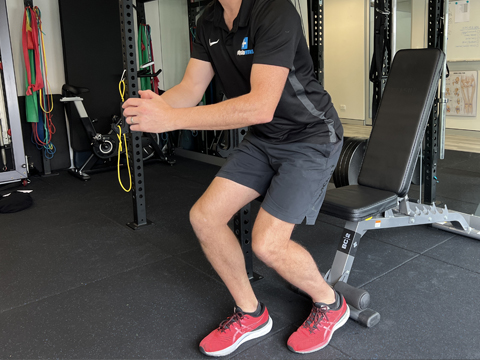
 |
KNEE OA AND TKR SURGERY REHAB | WEEKS 03-04 |
Goals |

|
|
|
Recommended Equipment |

|

|
Theraband - Green (Heavy)
|

|

|
Power Band - Red (Medium)
|
|
WEEKS 3-4: Knee Mobility and Functional Strengthening |

|
WEEKLY INSTRUCTIONS
By Weeks 3–4, your knee should now slowly be becoming less swollen and painful, with improvements in walking, knee movement and muscle activation beginning to develop. The focus of this stage is to continue improving: For many Total Knee Replacement (TKR) patients, this stage is where everyday activities slowly start becoming easier, however stiffness, swelling and discomfort are still very common — especially after exercise or longer periods of walking. For Osteoarthritis (OA) patients, this stage helps build strength and movement control around the knee and hip while improving mobility and reducing joint stiffness. ⚠️ Important: Extension is priority over flexion. You need to work on both movements, however getting your knee straight is more important than bending it in the next 2 weeks. Once you achieve the 0 degrees extension then shift more of your energy into the flexion ROM. Program Structure This stage now includes three sections: The mobility exercises should continue to be performed regularly throughout the day to improve knee extension, flexion and overall movement quality. The strengthening and balance sessions now become more important as your rehabilitation progresses into weight-bearing and functional strengthening exercises. Consistency is still extremely important during this stage, however avoid significantly overloading the knee to the point where swelling or pain prevents you from completing your exercises the following day. Knee Mobility and Stretching Achieving full knee extension (getting the knee straight) remains one of the most important priorities during this stage. Stretching should feel firm but comfortable and should never involve aggressive forcing into pain. Mild stiffness and discomfort are expected, particularly after surgery, however symptoms should settle after exercises and should not significantly worsen overnight. Session 2: Knee and Hip Strengthening Aim to complete these exercises 1-2 times per day This stage progresses your strengthening into more standing and weight-bearing exercises. The focus is on: The TKE (Terminal Knee Extension) exercise is particularly important for restoring walking mechanics and improving knee extension during the stance phase of walking. Do this with slow controlled movement, focussing on quality of movement rather than speed. Session 3: Functional Strength and Balance This session begins introducing more functional movement patterns and balance exercises to help improve confidence with everyday activities. The focus is on: Many patients still feel unstable or weak during single-leg exercises at this stage, which is completely normal. Use support when needed and focus on controlled movement quality throughout the exercises. Aim to complete the exercises in Session 2 and Session 3: 1-2 times per day |
|
SPECIAL NOTES
Kneeling You will likely find kneeling on your knee very difficult or uncomfortable during this stage. Do not try to force kneeling positions, as sensitivity around the knee may remain for some time following surgery. Your ability to kneel more naturally will gradually improve as healing continues and the sensitivity reduces. The exercises in this stage have been specifically designed so that you do not need to kneel in order to complete the program safely and effectively. |
|
Session 1: Knee Mobility and Stretching |

|
PER DAY
2
PER WEEK
7
1 |
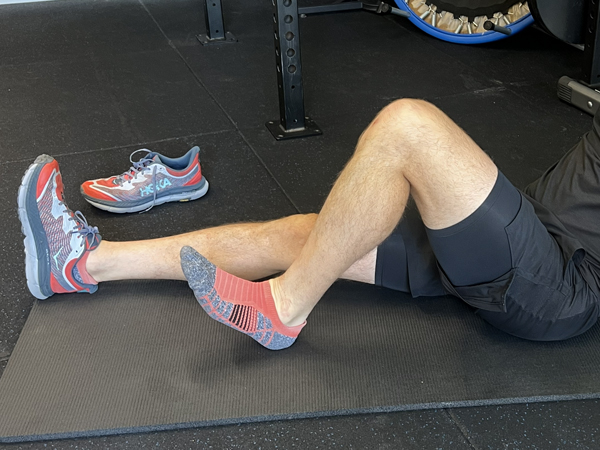
|
KS | Knee Flexion ROM (Supine)
3 sets x 10 reps
|
|
2 |
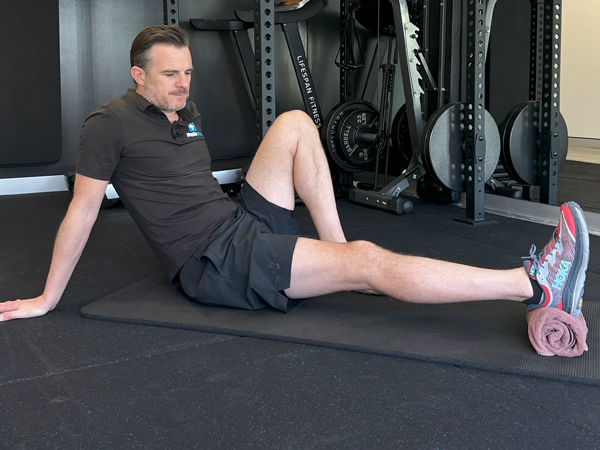
|
KS | Passive Knee Extension - Towel
3 sets x 1min
|
|
3 |
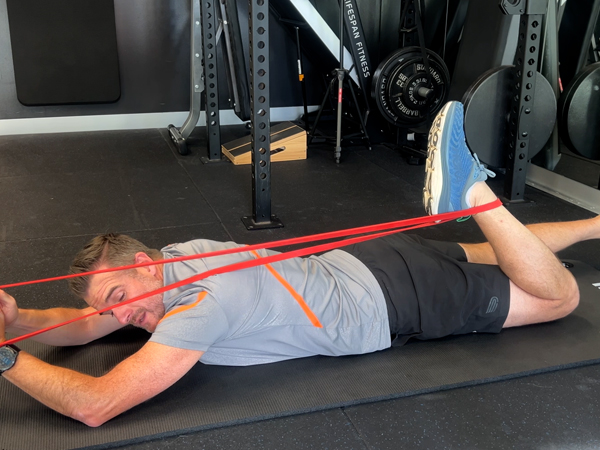
|
KS | Quadriceps (Prone) - Band Assisted
30sec->1min holds x 3 sets
|
|
4 |
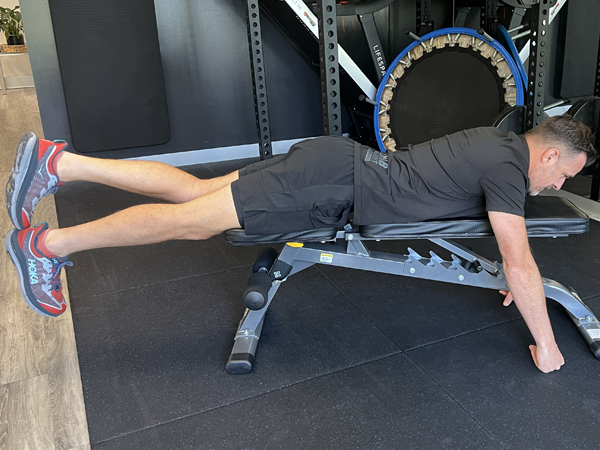
|
KS | Knee Extension (Prone) - Off Bed
3 sets x 1min
|
|
5 |
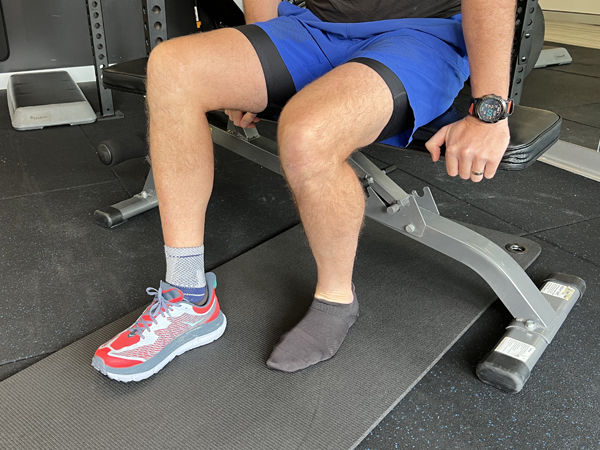
|
AS | Seated Foot Slides
3 sets x 10 reps
|
|
6 |
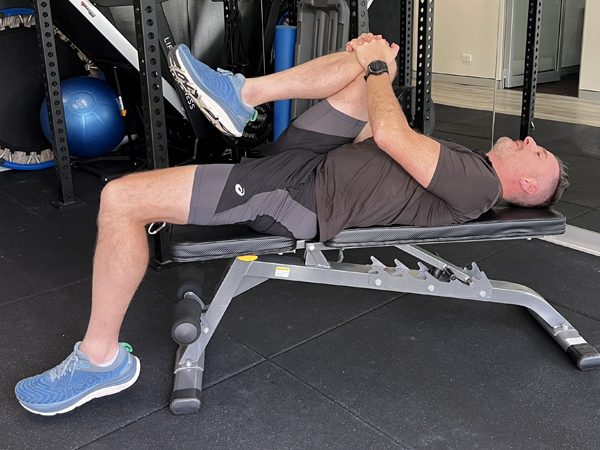
|
HS | Hip Flexors (Thomas Test)
3 sets x 1min
|
|
7 |
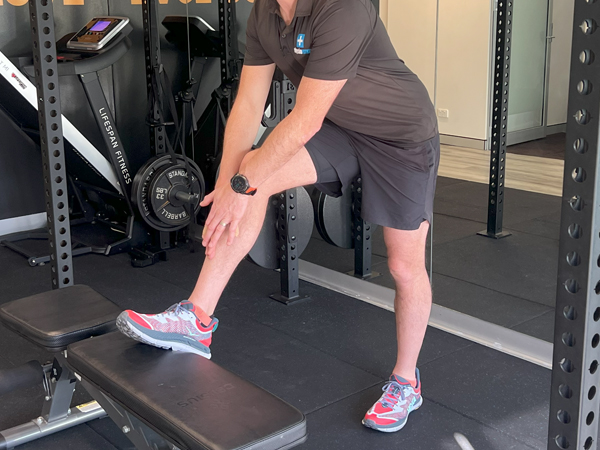
|
KS | Hamstrings (Bench)
3 sets x 1min
|
|
Session 2: Knee and Hip Strengthening |
|
PER DAY
2
PER WEEK
7
1 |
|
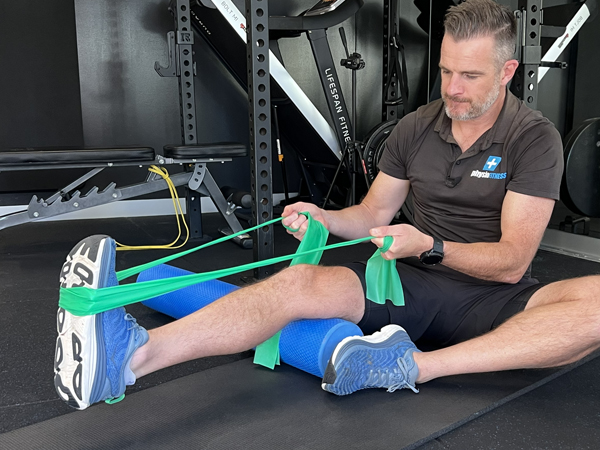
K1 | TKE - Heel Raise (Band Assisted)
10sec x 10 reps (4 sets)
|
|
2 |
|
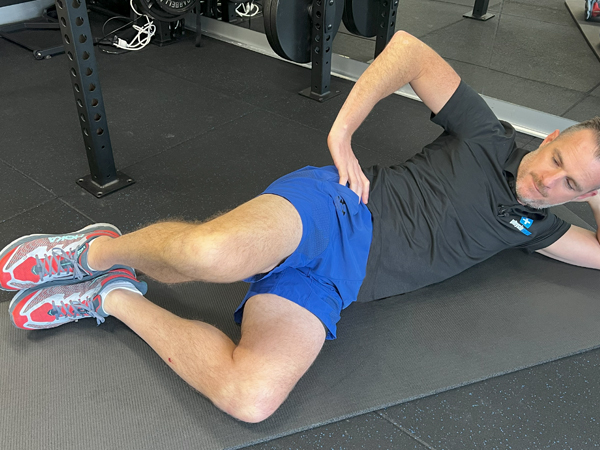
H1 | Clams
3 sets x 10 reps both sides
|
|
3 |
|
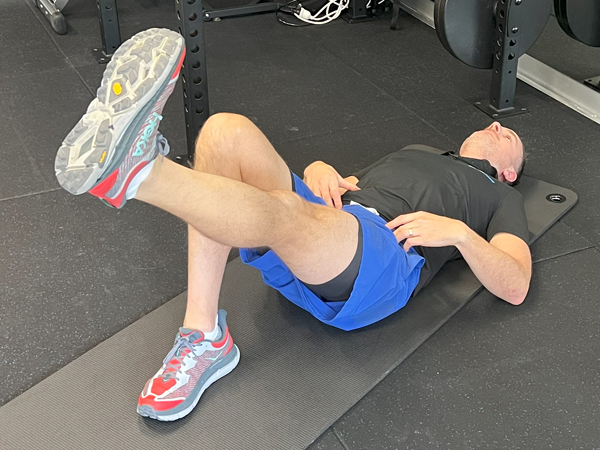
H2 | Straight Leg Raise (SLR)
3 sets x 10 reps (must keep knee straight)
|
|
4 |
|
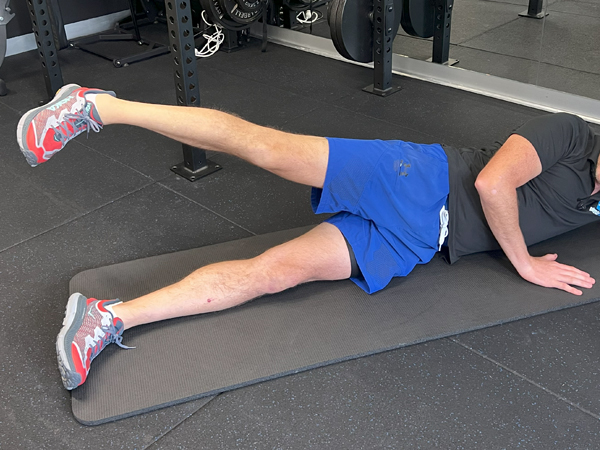
H1 | Glute Side Raise
3 sets x 10 reps both sides
|
|
5 |
|
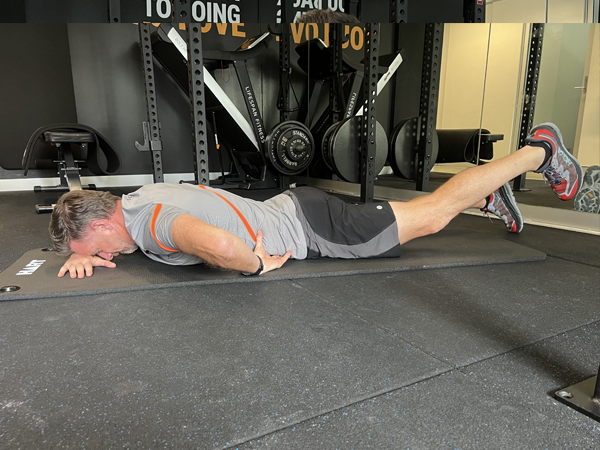
H2 | Prone Glute Leg Lifts
3 sets x 10 reps both sides
|
|
6 |
|
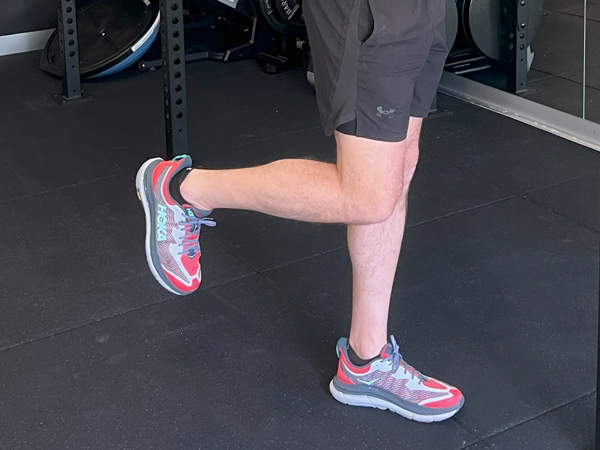
K1 | Hamstring Holds (Isometric) - Standing
30sec x 4 sets
|
|
Session 3: Functional Strength and Balance |
|
PER DAY
2
PER WEEK
7
1 |
|
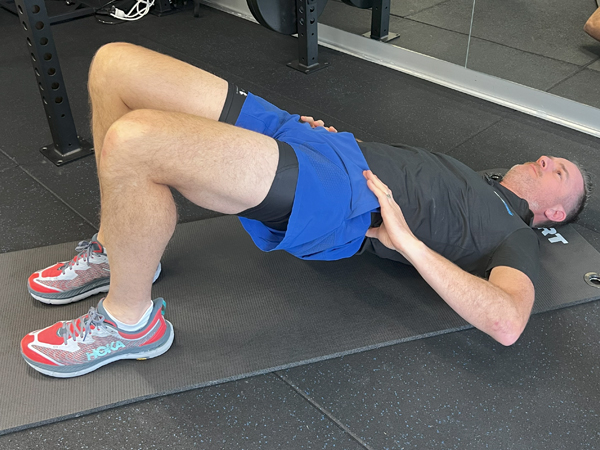
H2 | Glute Bridge
3 sets x 10 reps
|
|
2 |
|
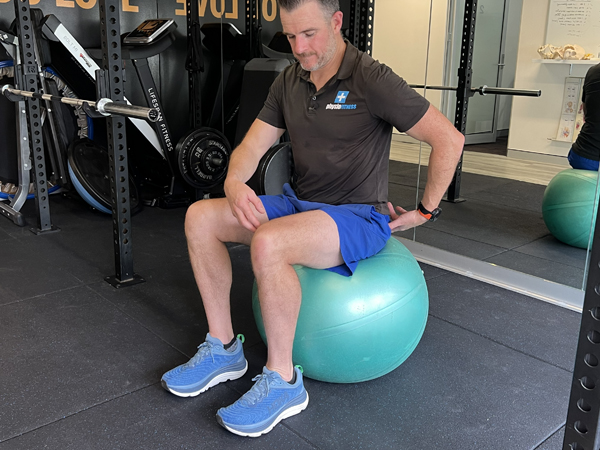
K1 | Heel Pushes (sitting)
3 sets x 10 reps
|
|
3 |
|
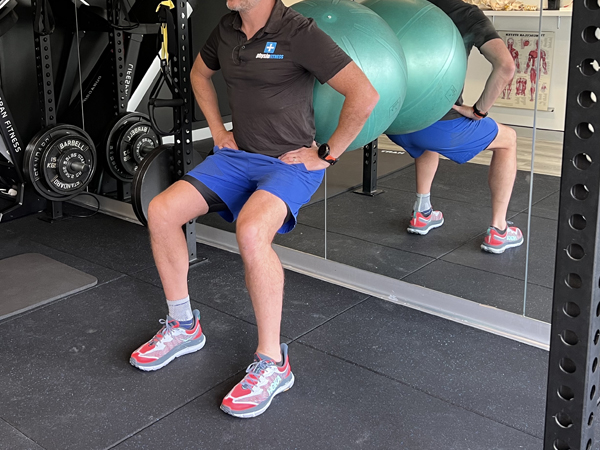
K2 | Swiss Ball Squat
3 sets x 10-30sec holds
|
|
4 |
|
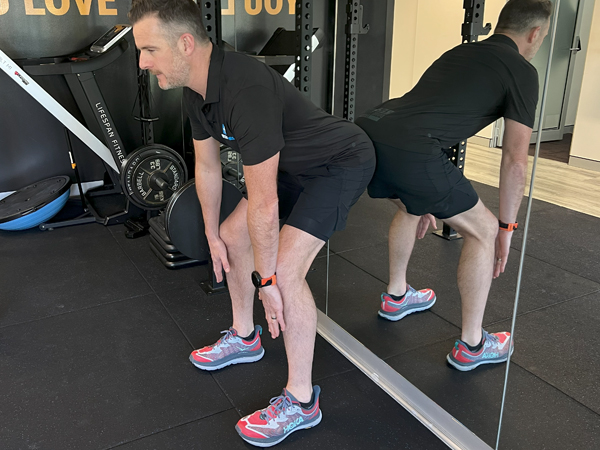
L1 | Hip Hinge
3 sets x 10 reps
|
|
5 |
|
K2 | Sit to Stand (split stance)
3 sets x 10 reps
|
|
6 |
|
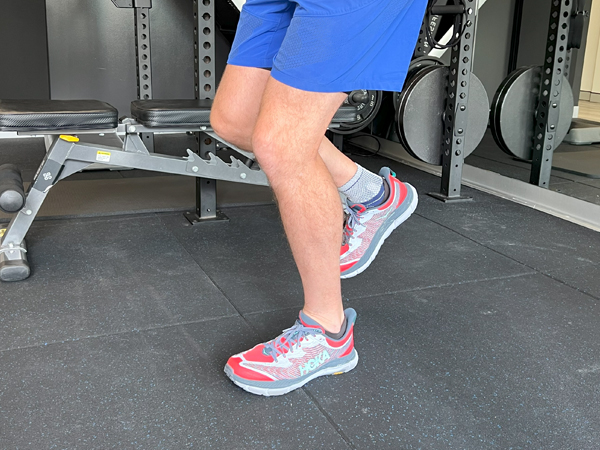
A1 | One Leg Balance (Floor)
4 sets x 30sec both sides
|
|
7 |
|
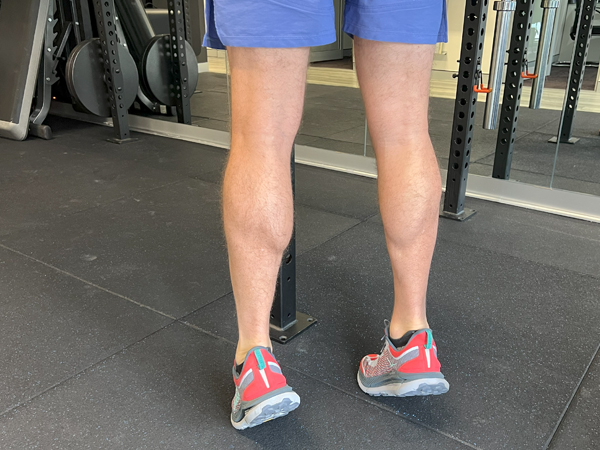
A1 | Calf Raises (Floor)
3 sets x 10 reps
|
|
Videos to Watch |

|